



22-09-2025
The impact of EN 15804 on the integration of environmental assessment and mechanical testing in construction
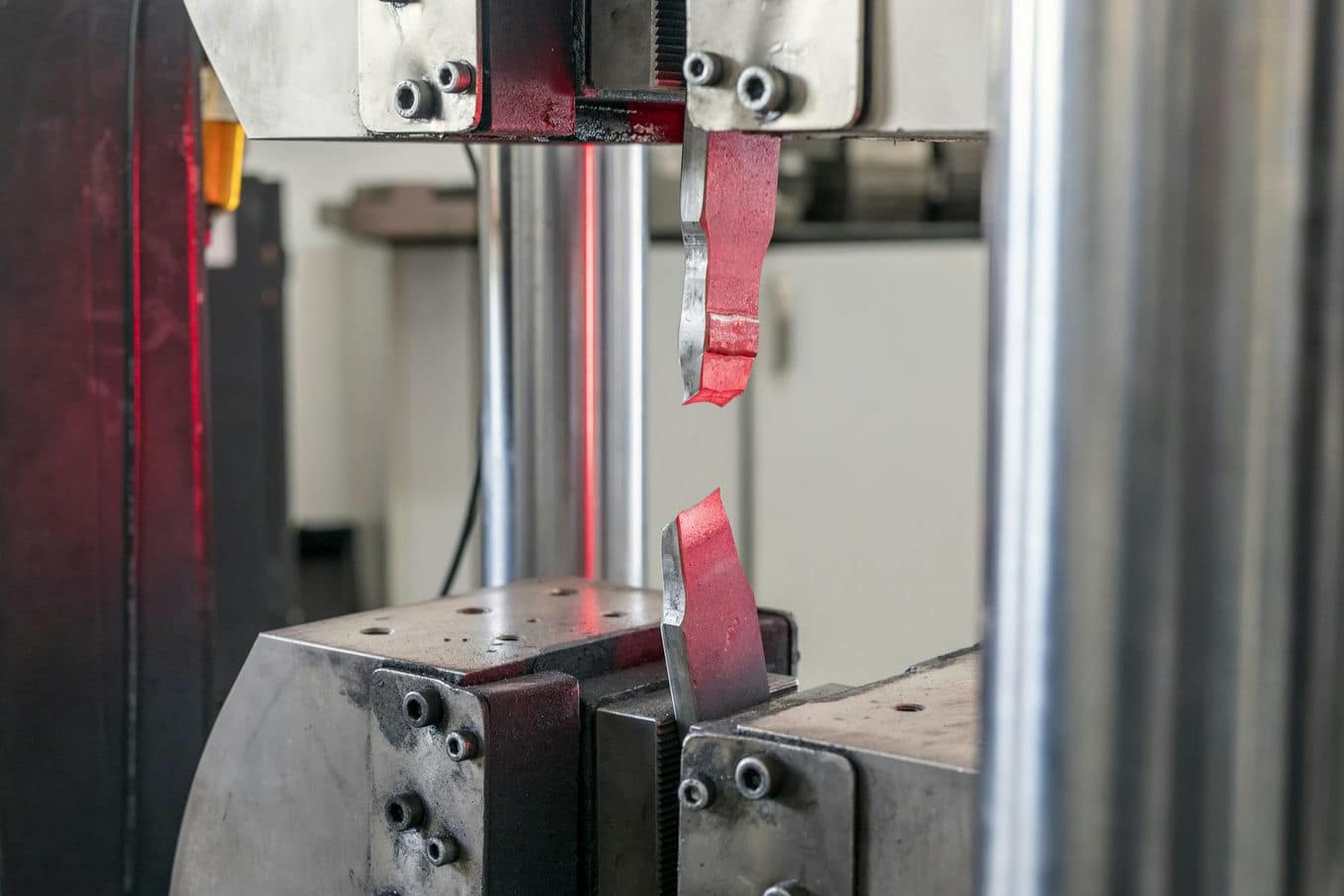
In today’s construction industry, sustainability is becoming increasingly important, requiring consideration of not only the technical parameters of construction products but also their environmental impact. In this context, the EN 15804 standard can play a key role as a European standard defining the principles of environmental assessment of construction products throughout their entire life cycle. Although the standard primarily focuses on environmental aspects, it has an indirect but significant impact on mechanical testing standards and the way in which the properties of materials and structural components are documented.
What does the EN 15804 standard introduce?
The EN 15804 standard provides detailed guidelines for conducting a Life Cycle Analysis (LCA) of construction products , which allows for the calculation of their environmental impact from raw material acquisition, through production, transport, use, and final disposal or recycling. This allows product manufacturers to obtain Type III Environmental Product Declarations (EPDs), which provide verified, quantitative data about their products. Such a document often becomes an integral element of building assessments in sustainable construction certification systems such as BREEAM and LEED.
Integration of environmental requirements and mechanical testing methods
Although the EN 15804 standard primarily defines the principles of environmental assessment of construction products through life-cycle analysis (LCA), its implementation may also contribute to the evolution of mechanical testing methods. Traditional testing, which focused solely on strength, durability, and other
physical and mechanical properties, will in the near future also consider the environmental impact of construction products. In practice, this means expanding the scope of testing and a more comprehensive approach to documentation , where mechanical test results are combined with the environmental analysis currently
included in EPDs, creating a more comprehensive picture of product performance. In the context of the entry into force of some key requirements of EU Regulation (EU) No. 2024/3110 on the establishment of harmonised rules for the marketing of construction products, this means the development of harmonised standards and
technical specifications that, in addition to strength and mechanical parameters, consider the environmental aspects of materials, including their recycling potential and emissions of harmful substances. This, in turn, stimulates sustainable innovation in the research and production of building materials, striving for their optimization.
The future of the EN 15804 standard in construction
EN 15804 has the potential to continue evolving to meet the changing needs of the construction market. As technology advances and environmental awareness grows, it may be necessary to adapt the requirements for environmental declarations for construction products. The future of this standard will depend on cooperation between certification bodies, manufacturers, and research institutions. Joint efforts can improve mechanical, fire, and other testing methods, allowing for better compliance with customer expectations and legal regulations. It is worthwhile to monitor the development of EN 15804 and its impact on testing standards in the construction industry to stay current with market requirements.
